
The Benefits of “Risky Play”: How Forest School Keeps Children Safe While Building Confidence
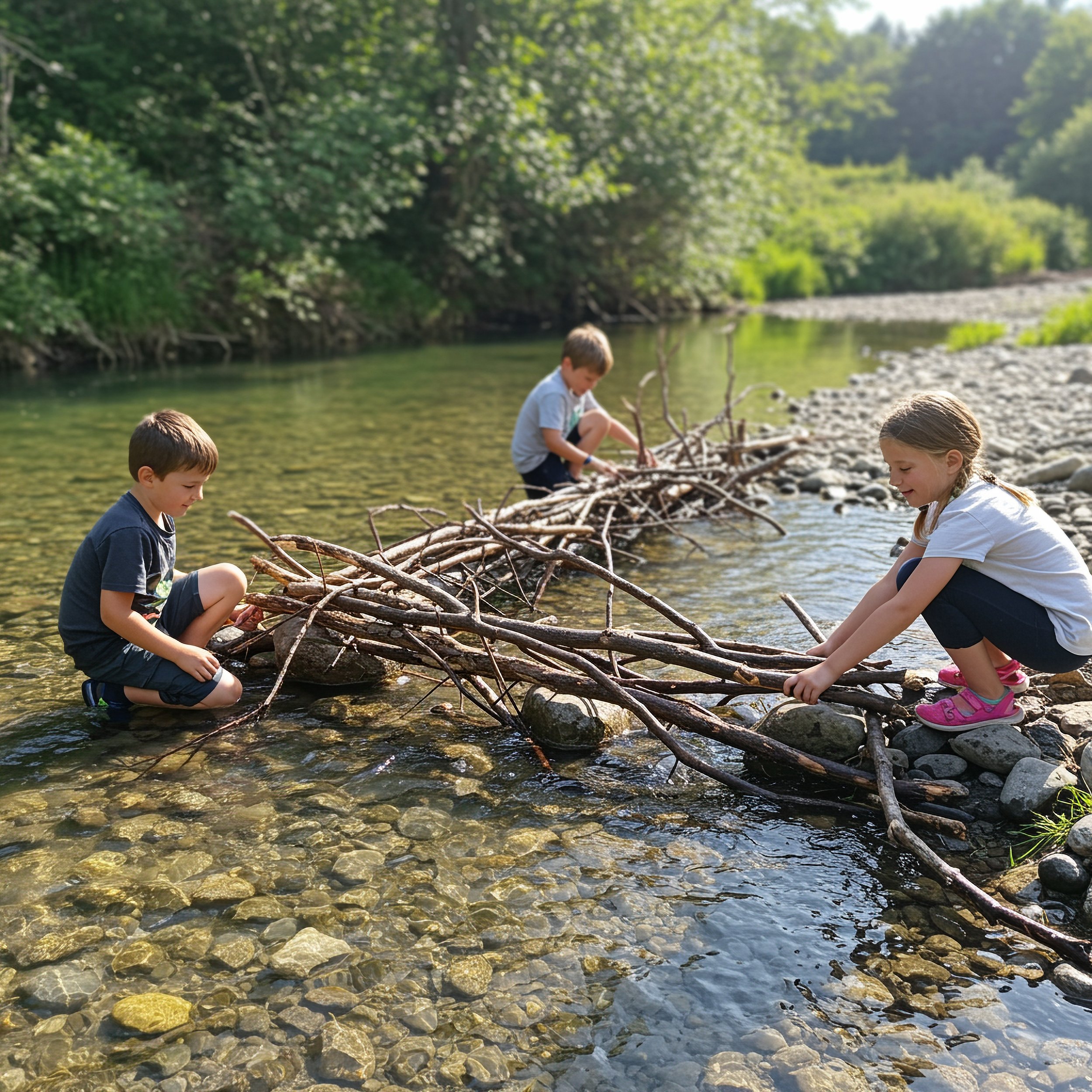
Seeing your child climb higher, walk across uneven ground, or explore the bush can naturally raise safety concerns. Every parent knows that feeling of watching their child, anticipating the worst. The phrase “risky play” may sound worrying at first.
But risky play does not mean unnecessary danger. It gives children suitable challenges while educators provide guidance, supervision, and clear limits.
Poplars’ Forest School program creates space for outdoor discovery within clear safety boundaries. Children can test their skills while educators supervise, assess potential risks, and step in when needed.
What Does “Risky Play” Actually Mean?
Risky play involves challenges that are not always predictable. Children learn to assess the situation, make choices, and respond when they feel unsure.
Challenge With a Purpose
In a Forest School setting, risky play might include:
climbing or balancing at a manageable height
running or moving at speed
walking across uneven natural surfaces
using age-appropriate tools with guidance
exploring around natural elements such as water
deciding whether to try, stop, or ask for help
The Australian Institute of Family Studies identifies height, speed, tools, natural elements, and physical challenge as risky play.
Why Let Children Take Any Risks at All?
Avoiding all challenges can seem like the safest choice. However, children also need opportunities to learn their own limits.
Children Learn by Testing Their Abilities
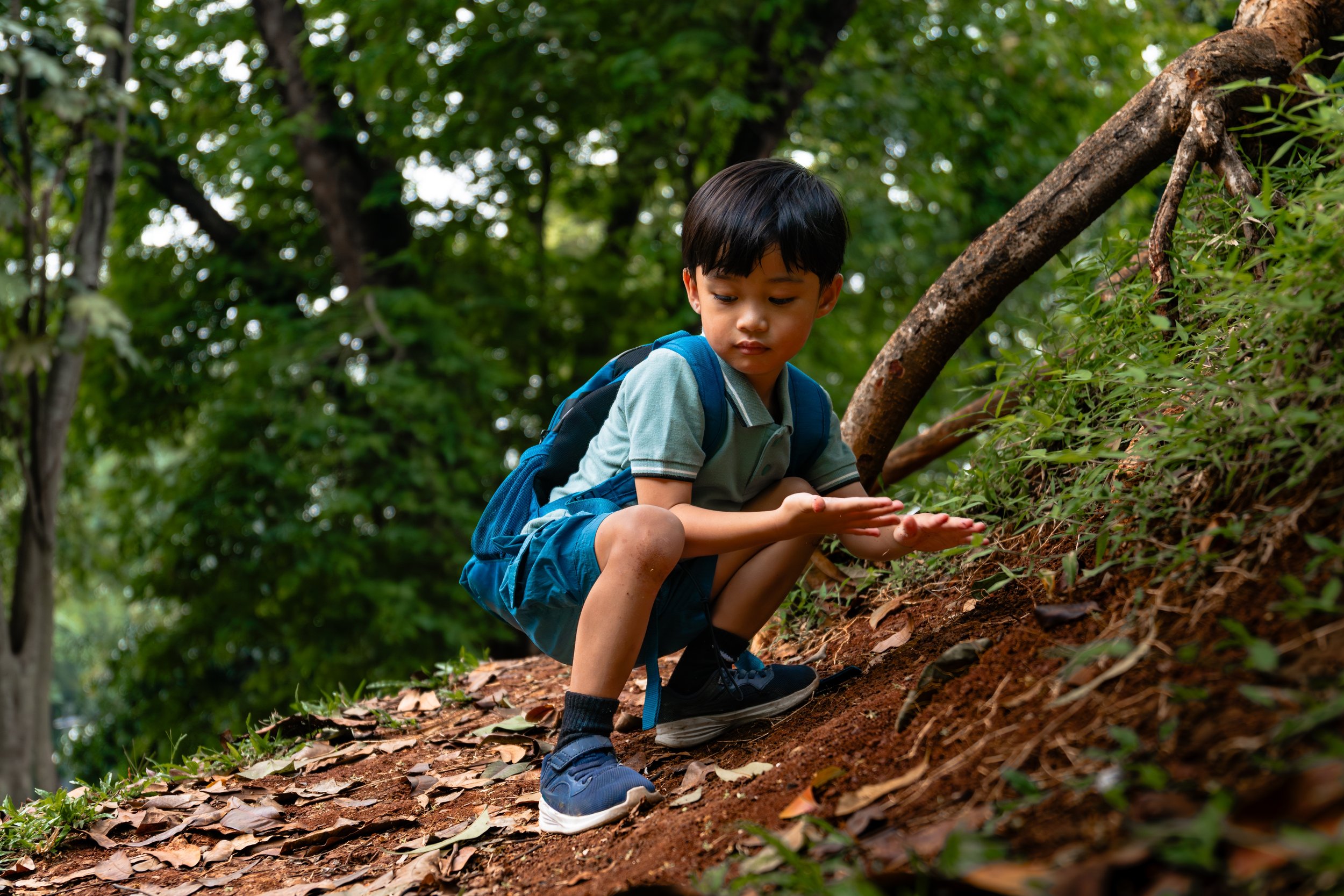
Think of a child crossing an uneven log. They may stop, adjust their position, or step off before trying again. This activity builds more than physical balance. It also helps children make choices and learn through experience.
Risky play can help children build:
confidence in new situations
problem-solving skills
decision-making skills
persistence
awareness of their limits
independence
emotional regulation
According to the Australian Institute of Family Studies, nature play and appropriate risk-taking are linked with building confidence, resilience, decision-making, and social and emotional development.
How Does Poplars Manage Risk Without Removing the Challenge?
Good Forest School safety protocols are not about eliminating every risk. They focus on identifying hazards that could cause unnecessary harm while preserving challenges with genuine learning value.
Benefit-Risk Assessment Looks at Both Sides
A benefit-risk approach considers two questions:
What could reasonably cause harm?
What can the child learn through this experience?
Educators can then reduce unnecessary hazards while allowing children to experience reasonable challenges under supervision.
This aligns with ACECQA guidance, which recognises appropriate risk-taking as part of children’s learning when risks are properly assessed and managed.
Safety Starts Before Children Explore
At Poplars, preparation begins before children enter the bush environment. Forest School routines include:
discussing boundaries
talking about bush and wildlife safety
checking equipment
providing high-visibility vests
keeping educators actively involved with groups
These steps make safety part of the learning experience.
What About Weather, Wildlife, and Outdoor Hazards?
Parents researching outdoor play safety ACT may wonder what happens when conditions change.
Weather Is Assessed, Not Ignored
Forest School gives children the chance to experience nature in different seasons, including rainy or cooler days when they are dressed appropriately.
This does not mean children go outside in every type of weather. Poplars may keep them indoors when severe conditions, strong winds, or fire risk make outdoor play unsafe.
Wildlife Awareness Is Taught
Natural environments may include insects, birds, and other wildlife. Educators discuss local wildlife and safe behaviour before children explore.
Children learn boundaries and what to do when they notice something unfamiliar. The aim is to teach children how to interact with nature safely.
Higher-Risk Activities Need Closer Supervision
Activities involving climbing, tools, water, or changing terrain may require closer supervision.
ACECQA explains that effective supervision should consider children’s ages and abilities, the activity, environment, and potential risks.
What Does Supervision Look Like Outdoors?
Educator-to-child ratios matter, but safe supervision involves more than meeting a number.
Educators Respond to the Environment
During outdoor experiences, educators consider:
children’s ages and abilities
group size and dynamics
visibility across the area
terrain and conditions
the activity taking place
whether closer supervision is needed
Supervision can change as the activity or environment changes.
Managed Risk vs. a Traditional Playground
Traditional playgrounds usually use fixed equipment, defined spaces, and designed surfaces. Natural settings are less predictable because terrain, materials, and conditions can change.
Different Settings Create Different Learning Opportunities
Neither approach needs to be framed as unsafe. Forest School simply gives children more opportunities to notice changing conditions, make choices, and respond to manageable challenges. Parents can read more about how Forest School differs from traditional childcare.
Preparing Children for a Forest School Day
Good preparation helps children stay comfortable and ready for outdoor activities.
Depending on the weather and planned activities, children may need closed-toe shoes or gumboots, suitable clothing, a water bottle, and spare clothes.
Poplars provides high-visibility vests for Forest School sessions. Parents can also learn more about what to expect on a Forest School day.
Confidence Grows Through Managed Challenge
Children do not need to choose between being protected and having opportunities to explore.
With thoughtful planning, clear boundaries, active supervision, and qualified educators, manageable challenges can become useful learning experiences. Children can practice making decisions, recognising their limits, solving problems, and building confidence.
If you have questions about Poplars’ Forest School safety protocols, speak with the qualified educators at Holt or Jerrabomberra about how they plan and supervise outdoor experiences. You can also request a program guide before deciding whether Forest School is right for your child.
