
A Day in the Bush: What Poplars Forest School Looks Like in Practice (And What to Pack)
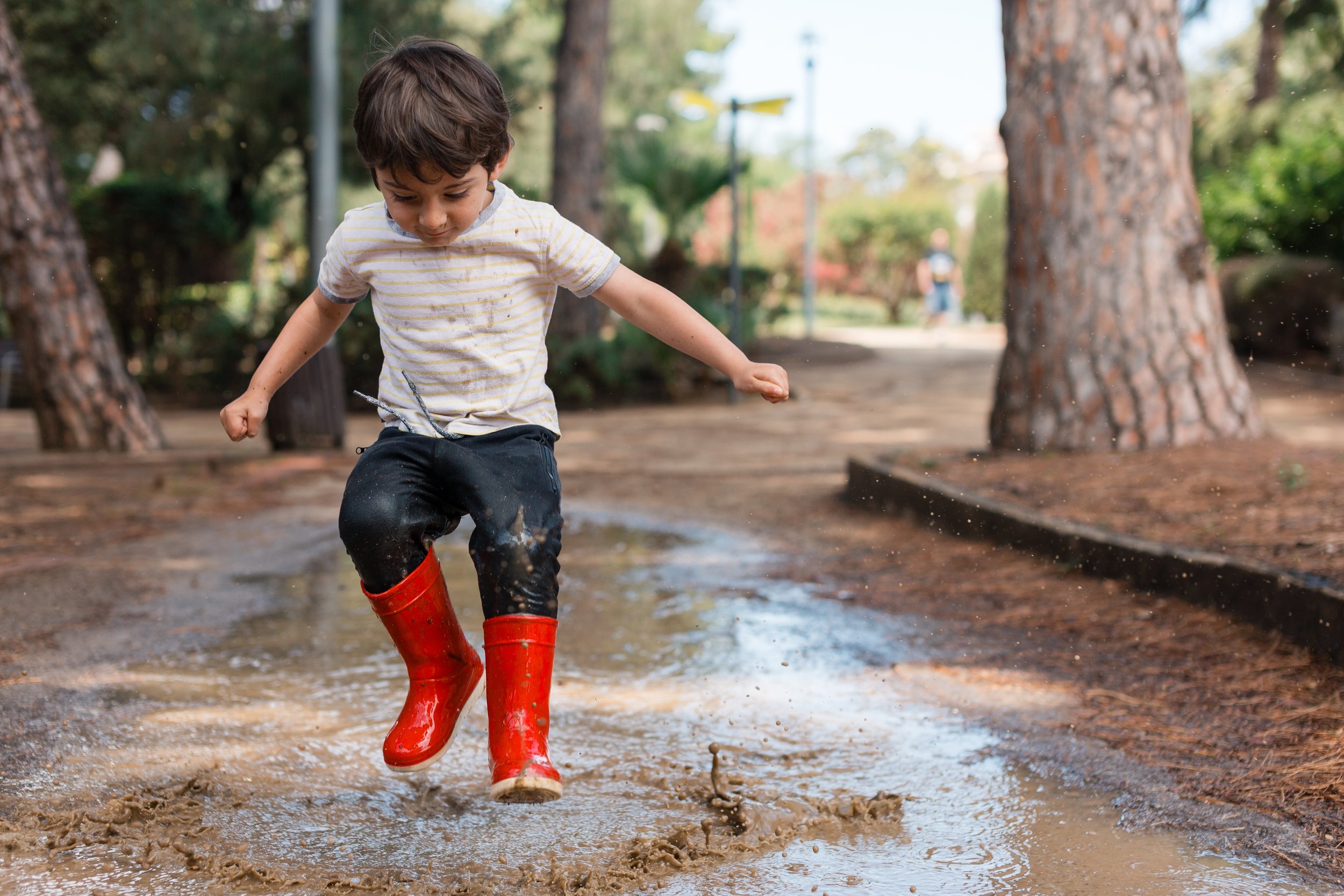
A Forest School day is more organised than it sounds. Children do not just head outside and see what happens. The day begins at the centre, follows clear safety routines, and gives children time to explore with educators.
For families considering Poplars Forest School Jerrabomberra or Holt, it helps to know what the routine looks like. The Poplars Forest School program blends child-led discovery with planned supervision, local nature, and preparation.
9:00–9:30 AM: Getting Ready at the Centre
Before children head into the bush, the group prepares together.
The Safety Circle Comes First
Educators begin with a safety circle. Children talk about where they are going and what they may see. Boundaries are explained. Bush safety and local wildlife are discussed. Equipment is checked before the group leaves. Children also get ready with:
water bottles
closed-toe shoes or gumboots
suitable clothing
high-visibility vests provided by Poplars
This routine helps children understand that outdoor freedom comes with clear expectations. It also gives educators a chance to check that everyone is ready for the conditions.
9:30–11:30 AM: Walking Into the Bush
Children then head to nearby reserves, bush tracks, or open grasslands around the Holt and Jerrabomberra centres.
The Forest School Holt routine may include walking to a local area or travelling safely with the group. Once there, children have time to observe, move, build, ask questions, and follow what catches their attention.
Child-Led Discovery Shapes the Morning
A child might notice an insect under a log. Another may start building with fallen branches. Others may balance on uneven ground, follow tracks, or invent a game using natural materials.
Educators stay close and guide the experience without controlling every step. They may ask questions, introduce an idea, or help children think through what they notice.
The aim is not to rush toward a set outcome. It is to let curiosity lead while educators keep the experience purposeful and safe.
What Happens When Children Meet a Challenge?
Nature is less predictable than a fixed playground. That is part of what makes it useful for learning.
Managed Challenge Is Part of the Experience
Uneven ground, mud, climbing, or changing weather can create small challenges. Educators assess these situations and adjust supervision as needed.
Parents who want more detail can read about how Poplars manages risky play safely. This approach helps children practice making choices while still having clear boundaries and adult support.
11:30 AM–12:00 PM: Reflection and Caring for the Bush
Before leaving, children help pack up and check the space.
Leaving No Trace Matters
The group is encouraged to leave the area as they found it. This can mean collecting equipment, checking for belongings, and making sure the space is not disturbed.
Educators may also talk with children about what they noticed or enjoyed. These short reflections help turn the morning into something children can remember and talk about.
The group then returns to the centre in time for lunch and the long day care routine.
After an active morning, children can settle back into familiar routines for lunch, rest, and quieter learning. This helps the outdoor session feel like a natural part of the day.
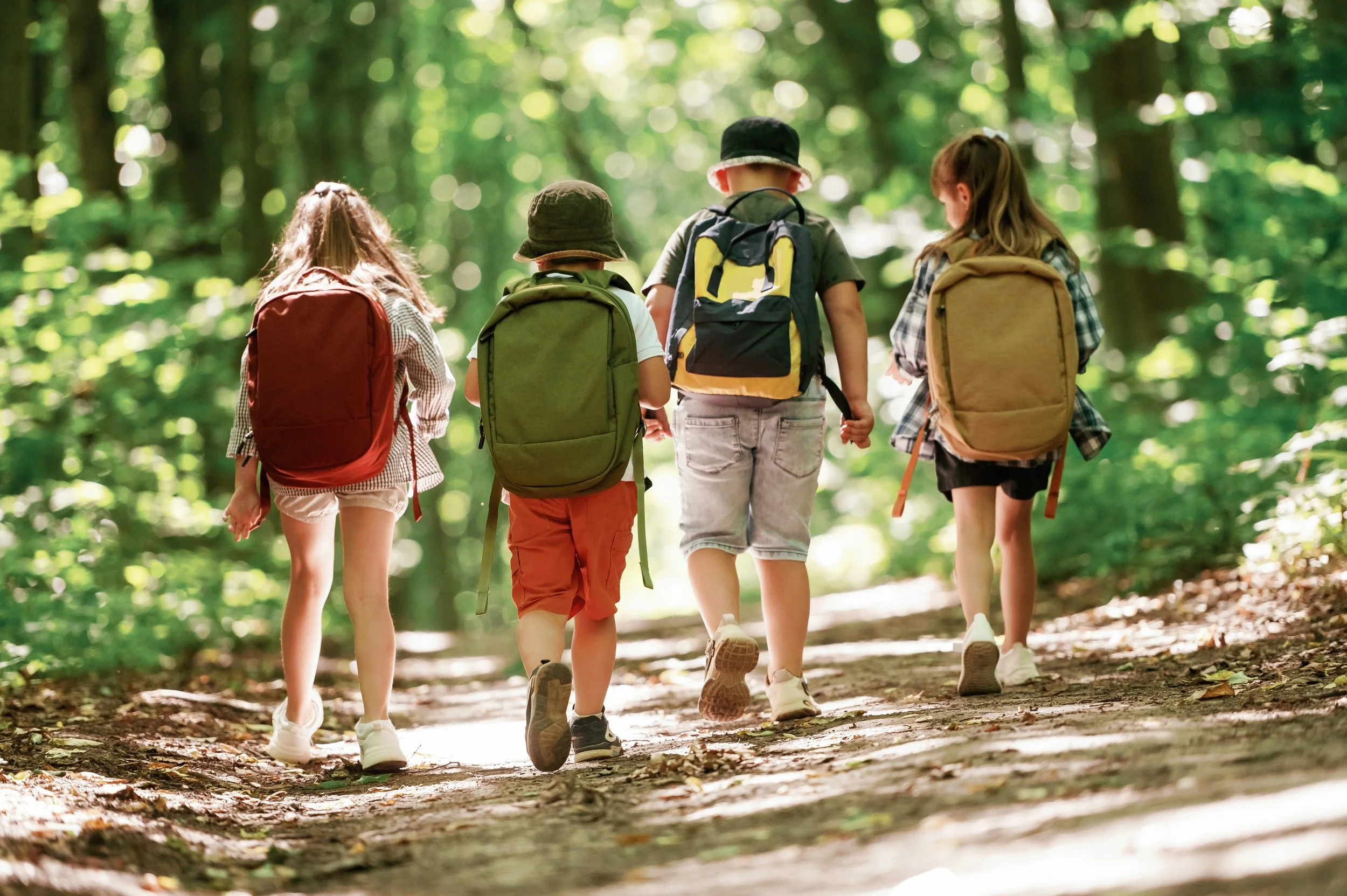
What Should Your Child Pack for Forest School?
Practical clothing can make a big difference. Children need to be comfortable enough to move, explore, and handle changing weather.
For Cold Canberra Mornings
Canberra Forest School winter attire should focus on simple layers. Pack:
a comfortable base layer
a warm jumper or fleece
long pants
warm socks
a weather-appropriate jacket
Layers are useful because mornings can be cold while the day becomes warmer.
For Wet or Muddy Days
Wet weather does not always stop outdoor learning. Useful items include:
a raincoat
gumboots or sturdy closed-toe shoes
spare socks
a full change of clothes
Children should wear clothes that can handle dirt, grass, and mud. If you are wondering how this weather-dependent, active environment compares to indoor settings, parents can also review our guide on forest school vs regular preschool.
For Sunny Days
Sun protection matters too. Pack:
sun-safe clothing
a suitable hat
a water bottle
sunscreen as required by the centre
Parents can also review Cancer Council Australia’s SunSmart guidance for practical sun protection advice.
Learning From the Local ACT and NSW Environment
Forest School connects learning to the places children see around them. Familiar Places Change With the Seasons
Children may return to the same reserves, tracks, or grasslands across the year. They can notice new plants, different weather, animal activity, or changes in the ground.
Poplars also uses outdoor learning to build respect for the local environment and community. Children are encouraged to care for the bush and understand that they share these spaces with other people and wildlife.
The program also recognises First Nations perspectives and the traditional lands of the Ngunawal and Ngambri peoples.
See a Forest School Day for Yourself
A written guide can explain the routine, but visiting the centre makes it easier to picture your own child there. Book a Tour at Your Nearest Poplars Centre
Families can book a tour at Poplars Holt or visit Poplars Jerrabomberra to see how Forest School fits into the wider early learning day.
You can meet the educators, ask practical questions, and see how child-led learning, safety, and outdoor exploration come together at Poplars.
