
What Are the Real Inquiry-Based Benefits in Early Childhood?

Director’s Note
With more than 30 years in early childhood education across the ACT and surrounding regions, I have seen many teaching models come and go. What has always mattered most is this. Children learn best when their thinking is respected.
At Poplars Early Learning, I have intentionally built our approach around inquiry-based learning. It is not a marketing term. It is the foundation for how we teach, design our environments, and support children in becoming capable learners.
By Fiona O’Donnell, Approved Provider
What Inquiry-Based Learning Really Means
When families research inquiry-based learning benefits, one question often comes up.
Is this just letting children do whatever they want?
The answer is no.
Traditional rote learning focuses on repetition and recall. The educator chooses the topic. Children repeat information. The outcome is memorisation.
Inquiry-based learning is different.
Children’s questions, interests, and observations become the starting point. Educators observe carefully. They ask open-ended questions. They introduce materials and experiences that extend thinking. This is child-led education supported by intentional teaching.
At Poplars ELC, inquiry is structured, purposeful, and planned. Educators do not step back. They guide. They scaffold. They deepen learning.
How Child-Led Education Works at Poplars
Inquiry does not happen by accident. It happens through skilled observation and responsive planning.
The Light and Shadow Inquiry

An educator may notice a group of children watching shadows move across the outdoor deck. Rather than redirecting them to a scheduled activity, we treat this as a learning opportunity.
We introduce overhead projectors, translucent blocks, mirrors, and different light sources. We ask thoughtful questions. What happens when you move the light? Why do you think that changed?
We do not provide the answer. We provide the tools.
Through this process, children explore early scientific thinking. They test ideas. They predict outcomes. They collaborate. This is inquiry-based learning in action.
This approach aligns with the Early Years Learning Framework (EYLF) and supports national quality standards overseen by ACECQA. Inquiry is not separate from regulation. It is embedded within it.
Inquiry is not a standalone program at Poplars. It sits at the centre of our unique inquiry-based philosophy and informs every curriculum decision we make.
Why Leadership Matters in Early Childhood Education
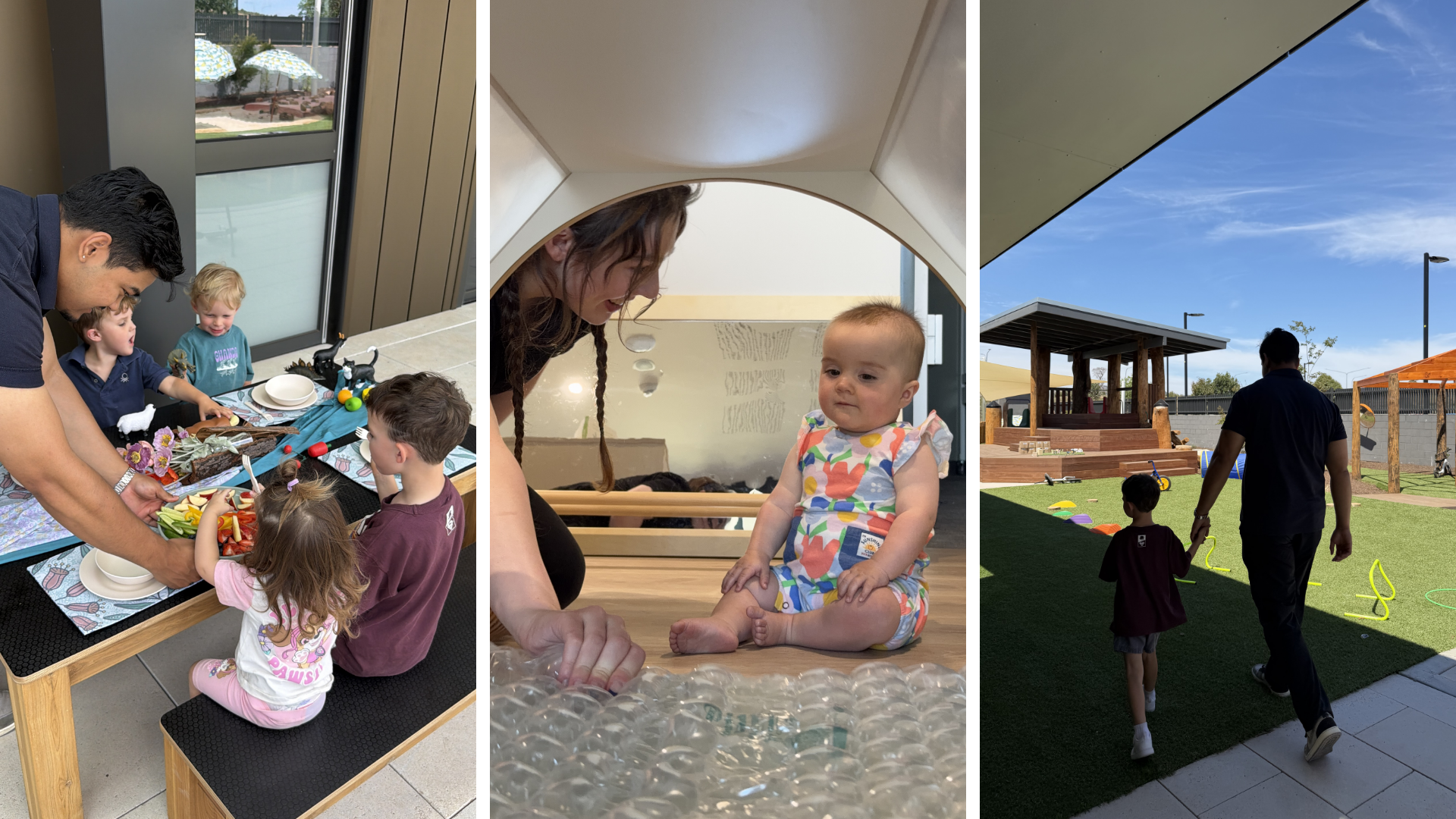
Inquiry-based learning requires strong educational leadership. It cannot rely on pre-packaged programs or corporate templates.
As the Approved Provider, I work closely with our educators to ensure consistency across both our Holt and Jerrabomberra centres. Our curriculum decisions are guided by experience, not trends.
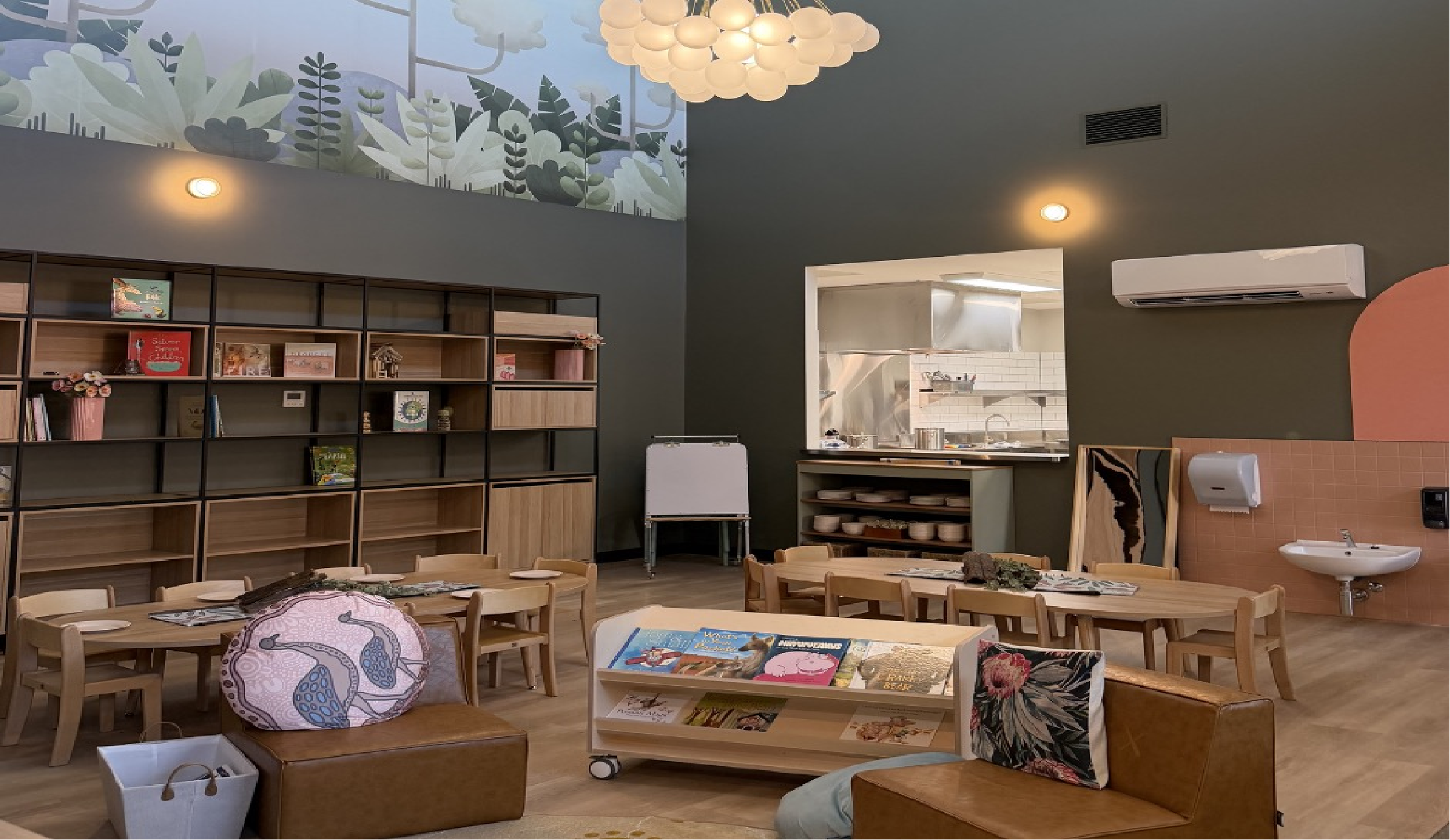
Our Jerrabomberra centre was intentionally designed around inquiry-based learning. Inquiry shaped the layout, the flow of spaces, and the way children gather to learn and eat together in a shared dining environment. Families saw the difference, and we’ve seen a huge amount of interest before the centre’s opening. That standard of thoughtful design and educational leadership defines Poplars Early Learning moving forward.
For families exploring childcare in Holt, this renewed focus on inquiry is evident in how educators observe, respond, and deepen children’s thinking throughout the day.
The Inquiry-Based Learning Benefits for Your Child
When parents research inquiry-based learning benefits, they are usually looking for practical outcomes.
Here is what this model builds.
[H4] Cognitive development
Children engage in higher-order thinking. They analyse, predict, and reflect rather than memorise.
[H4] Engagement
Children sustain focus longer when learning connects to a genuine interest.
[H4] Social skills
Inquiries are often collaborative. Children negotiate roles, share materials, and solve problems together.
[H4] Confidence and agency
When a child’s question is taken seriously, it strengthens their belief in their own thinking.
[H4] School readiness
Inquiry-based learning builds independence, organisation, and resilience. These skills support a smoother transition to primary school.
This is not unstructured play. It is intentional teaching within a child-led framework.
Frequently Asked Questions
-
This is one of the most common concerns. Inquiry-based learning does not remove literacy or numeracy. It embeds them in meaningful contexts.
Children measure ingredients during cooking experiences, count materials during construction play, and experiment with early writing when documenting their thinking. Skills are developed through application rather than worksheets. This builds deeper understanding, not just memorisation.
-
Inquiry-based settings still follow structured assessment processes. Educators document observations, link learning to the Early Years Learning Framework outcomes, and reflect on developmental milestones.
Progress is tracked through evidence of thinking, language development, social capability, and problem-solving. It is intentional and aligned with national standards.
-
Yes. Child-led does not mean unstructured.
Daily routines remain consistent. Educators plan environments carefully and map learning to curriculum outcomes. Children influence the direction of inquiry, but educators guide depth, extend thinking, and ensure developmental progression.
-
Yes. Inquiry-based environments build independence, persistence, collaboration, and confidence.
Children learn to manage materials, contribute ideas, solve problems, and reflect on outcomes. These are foundational skills for primary school, where independent thinking and responsibility are increasingly valued.
-
Traditional teaching often focuses on repetition and recall. Inquiry-based learning focuses on exploration, questioning, and understanding.
Rather than providing answers immediately, educators support children to investigate, test ideas, and reach conclusions through guided experiences. This builds critical thinking from an early age.
Further Reading and Educational Resources
The following resources outline the national standards and frameworks that guide early childhood education in Australia:
• Australian Children’s Education & Care Quality Authority (ACECQA)
• Early Years Learning Framework (EYLF)
• National Quality Standard (NQS)
Choosing an Early Learning Centre That Reflects Your Values
When researching early childhood education, it helps to look beyond brochures.
Ask how children’s thinking is extended. Ask how leadership shapes curriculum decisions. Ask how educators are supported to teach intentionally.
At Poplars Early Learning, inquiry is not an add-on. It defines how we operate.
